Backup Dahua 8-Channel 4K NVR (NVR4208) to Self-Hosted
8-Port PoE NVR disaster offsite backup directly into S3-compatible cloud storage. Follow our step-by-step setup guide below to replicate NVR channel footage directly to Self-Hosted via FTP/S with Rilavek as the pipe — securing your footage offsite against on-prem hardware theft or disk failure.
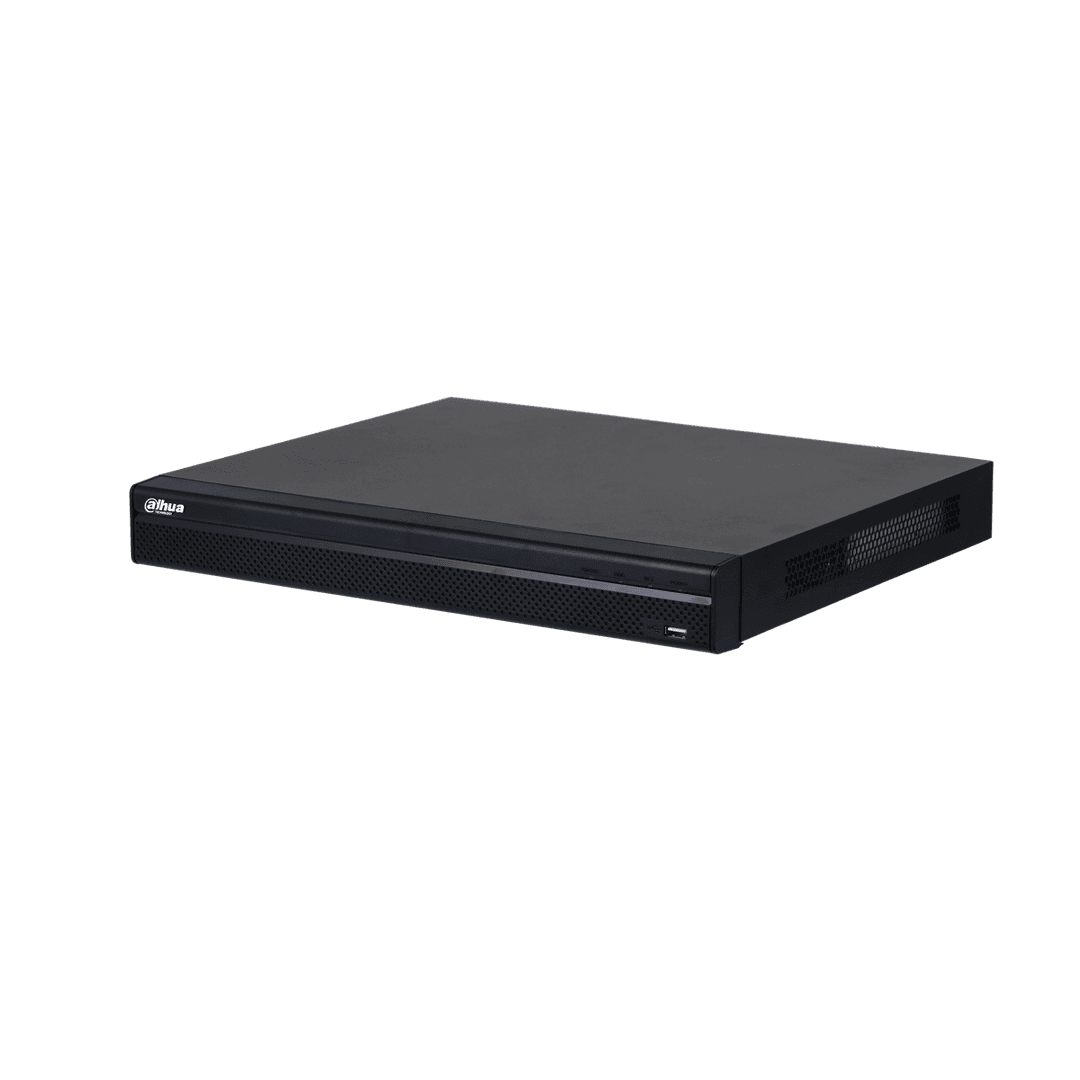
Your Dahua NVR4208-8P-4KS2 replicates channel footage offsite in real time directly to Self-Hosted. Even if the physical NVR unit or local hard drives are stolen, damaged, or seized, your video archive remains safe in the cloud.
Retain multi-channel Dahua NVR4208-8P-4KS2 recordings in Self-Hosted beyond local drive capacity. Apply automated bucket lifecycle rules to roll over or archive clips after 30, 90, or 365 days.
Rilavek ingests native FTP/S streams from your Dahua NVR4208-8P-4KS2 NVR and writes them directly to Self-Hosted via multipart S3 PUTs with zero intermediate server caching.


How to Backup Dahua 8-Channel 4K NVR (NVR4208) to Self-Hosted
Follow these 6 steps to provision your object storage, configure Rilavek’s Data Store, Sender, and Ingestion Pipe, enter your NVR firmware settings, and establish automated S3 retention rules.
Set Up Your  Self-Hosted Bucket & Generate API Keys
Configure your target bucket and API credentials inside Self-Hosted so Rilavek can replicate multi-channel NVR recordings directly into your storage.
- Access your RustFS Web Console or CLI and create your surveillance storage bucket.
- Under Access Keys, generate an Access Key and Secret Key pair with read/write policy.
- Ensure your RustFS instance is accessible via HTTPS (or Cloudflare Tunnel) on your configured port (e.g.
https://rustfs.local:9000).
Add Your Data Store in Rilavek
In your Rilavek dashboard, navigate to Data Stores > New Data Store, select your provider, and enter your S3 credentials. Rilavek verifies the connection with an automated write-probe before saving.
Add New Data Store
Create an NVR Sender in Rilavek
Go to Senders in the Rilavek sidebar and click New Sender. A Sender represents the hardware identity of your Dahua 8-Channel 4K NVR (NVR4208) and generates a dedicated device-level password.
Create New Sender
Must be at least 6 characters, lowercase, start with a letter/underscore, and contain only letters, numbers, hyphens, or underscores.
Secure credentials will be automatically generated for this sender.
Sender Credentials
Create & Configure Your Ingestion Pipe in Rilavek
Go to Pipes in the sidebar and click Create Pipe. Configure the 4 core sections of your pipeline: General (Pipe ID), Inputs (FTP), Access Control (Sender permission), and Destinations (Data Store).
1General Settings (Pipe ID)
Every pipeline in Rilavek is assigned an immutable, globally unique Pipe ID (e.g. p_cctv9x). This ID acts as an isolated ingestion channel that segregates audit logs, real-time transfer metrics, and storage routing. It also forms the second half of your scoped NVR FTP login username (username@p_cctv9x).
Pipe ID
Use this ID to identify this pipe in logs. Combine it with the sender username for complete authentication details.
2Inputs (FTP / FTPS Ingress)
The Inputs configuration defines how NVR recordings enter Rilavek. Enabling the FTP Ingress input provides a persistent, high-availability ingestion server (ftp.rilavek.com) compatible with active and passive FTP modes, explicit TLS negotiation, and standard NVR multi-channel video push routines.
Inputs
Enable inputs to receive data.
FTP Ingress
Endpoint enabled. Connect using your Sender credentials.
Example: nvr_nvr42088p4ks2@p_cctv9x
Use the password configured for the specific Sender.
3Access Control (Sender Authorization)
Access Control prevents unauthorized uploads by enforcing a zero-trust boundary on the ingestion pipe. Only explicitly authorized Senders (such as Dahua 8-Channel 4K NVR (NVR4208)) can authenticate and stream video into this pipe. Any requests with unassigned credentials are rejected at the network edge.
Access Control
Restricts who can upload to this pipe.
Individual Senders
Grant or revoke pipe access for specific individual senders.
4Destinations (Target Cloud Storage Routing)
The Destinations section routes video clips to your target cloud storage provider. Linking your configured Data Store routes all received footage directly to your Self-Hosted bucket (cctv-dahua-recordings). Video files are committed on-the-fly via parallel multipart S3 PUTs without intermediate disk caching.
Destinations
This is where we send your files to.
Configure NetHDD / FTP Offsite Replication in Dahua 8-Channel 4K NVR (NVR4208) Firmware
Open your NVR's web configuration page or local GUI in your browser at its local LAN IP address and complete the steps below:
Step 5AConfigure FTP Streaming Credentials
Click Main Menu > Storage > FTP.
Enter your Rilavek Ingestion Pipe parameters as indicated by the red annotations below.

nvr_nvr42088p4ks2@p_cctv9x (SenderUsername@PipeID).Step 5BConfigure Upload Schedule (Snapshot & Record Schedule)
Click Setting > Storage > Schedule.
Select the Snapshot or Record tab, then ensure your schedule grid has Yellow (Motion) or Green (General) time blocks configured so the camera uploads footage during active periods.
Dahua IP cameras only upload files during times marked on the schedule matrix. Highlight periods in Yellow (Motion) for motion-triggered snapshot/clip upload to save S3 storage and ingress fees.
Step 5CEnable FTP Destination in Storage Path (Linkage Routing)
Click Setting > Storage > Destination > Path.
Check the "FTP" checkboxes under Scheduled and Motion Detection for Record and Snapshot. In Dahua firmware, FTP storage must be explicitly activated in this Path table for files to upload to Rilavek.
| Event Type | Scheduled | Motion Detection |
|---|---|---|
| FTP |
| Event Type | Scheduled | Motion Detection |
|---|---|---|
| FTP |
In Dahua IP camera firmware, you must check the "FTP" boxes under Scheduled and Motion Detection in this Path destination matrix. If these boxes remain unchecked, the camera will record events locally to SD card/NVR storage, but will never forward snapshots or video clips to your Rilavek FTP Ingestion Gateway even if the credentials under the FTP tab test 100% successfully.
Dahua Firmware Notes & Best Practices
Model-specific nuances, recommended settings, and verified workarounds for the NVR4208-8P-4KS2
Uploading all 8 channels simultaneously requires sufficient internet uplink bandwidth.
Verify Ingestion
Click Test in your NVR's FTP settings or trigger a test recording transfer. In your Rilavek dashboard, navigate to Pipes > your pipeline > Transfers tab to inspect incoming files as video clips stream into Self-Hosted.
| FILE | SENDER | SIZE | DATE | STATE |
|---|---|---|---|---|
dahua/nvr4208-8p-4ks2/2026-09-10/ch01_143000.mp4 | nvr_nvr42088p4ks2 | 18.4 MB | Sep 10, 14:30 | Success |
dahua/nvr4208-8p-4ks2/2026-09-10/ch01_142500.mp4 | nvr_nvr42088p4ks2 | 21.2 MB | Sep 10, 14:25 | Success |
dahua/nvr4208-8p-4ks2/2026-09-10/ch01_142000.mp4 | nvr_nvr42088p4ks2 | 19.7 MB | Sep 10, 14:20 | Success |
Common questions
How does the Dahua 8-Channel 4K NVR (NVR4208) backup recordings to Self-Hosted?
The Dahua 8-Channel 4K NVR (NVR4208) uses its native FTP / NetHDD client to upload multi-channel recordings directly to Rilavek on port 21. Rilavek pipes footage directly into your Self-Hosted bucket with zero disk writes, giving you a secure, automated offsite copy of your surveillance archive.
How does retention work on Self-Hosted?
You define exact retention policies (e.g. 30, 90, or 365 days) directly in your Self-Hosted bucket using standard S3 Lifecycle expiration rules. Footage is never auto-overwritten by proprietary cloud caps.
What happens if my internet connection drops?
The NVR4208-8P-4KS2 continues recording footage to its internal hard drives locally and resumes offsite FTP replication to Self-Hosted once connectivity is restored.
Backup Dahua 8-Channel 4K NVR (NVR4208) to Self-Hosted
Create your free Rilavek ingestion pipe in seconds. No NVR hardware, no proprietary camera cloud subscriptions, and 100% data ownership in your private storage bucket.
Free plan includes 10GB of transfer. No credit card required.